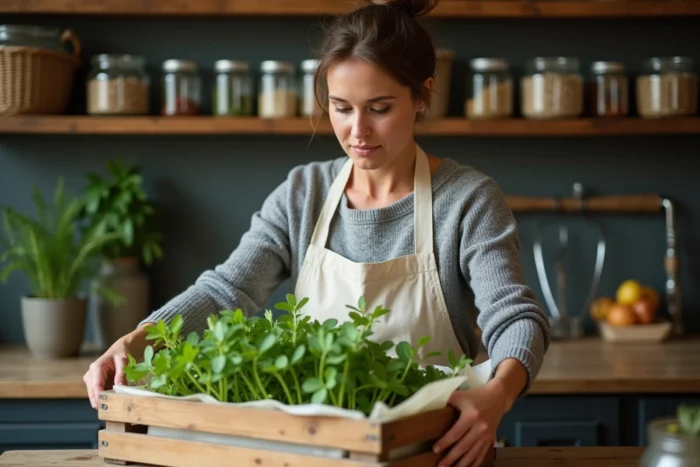
Purslane produces abundantly during the warm months, then disappears with the first frosts. To continue enjoying it throughout winter, you need to plan for preservation well before the cold sets in. Several techniques allow you to store leaves and stems without losing their slightly tangy flavor, provided you follow a few precautions related to the very nature of this plant.
Freezing purslane in cubes: the game-changing method
Have you ever frozen basil or parsley in ice cube trays? The principle works remarkably well with purslane. Instead of freezing the leaves in bulk in a bag (where they form a compact block that is difficult to portion), the cube technique allows you to portion purslane for use as needed.
Start by thoroughly washing the leaves and tender stems. Spin them in a clean towel until almost all moisture is gone from the surface. Chop everything roughly, then pack it into the compartments of an ice cube tray. Fill each compartment with a little water or neutral olive oil.
Place the tray in the freezer for a few hours. Once the cubes are well frozen, unmold them and transfer them to a labeled freezer bag. This approach preserves the color and flavor of purslane well, and each cube corresponds to an individual portion, ready to be added directly to a soup, stir-fry, or omelet. Knowing how to preserve purslane in winter often involves this type of simple action that makes all the difference in daily life.
Purslane and nitrates: a precaution that few gardeners know
Purslane is one of the plants that naturally accumulates nitrates in its leaves. This detail, rarely addressed in preservation guides, has a direct impact on how you should store and reheat this plant.
Specifically, cooked purslane left at room temperature sees its nitrates convert to nitrites, undesirable compounds. The recommendation is clear: consume purslane raw, or cook it and eat it immediately. If you prepare a dish with cooked purslane, freeze the leftovers without delay rather than keeping them in the refrigerator for the next day.
Avoid successive reheatings as well. A frozen purslane cube added directly to a hot pot poses no problem. However, thawing a portion, partially reheating it, then putting it back in the fridge creates exactly the conditions favorable for nitrite formation. One cooking, one consumption: that’s the rule to remember for this plant.
Harvesting and storing purslane seeds for the following spring
Preserving purslane is not just about storing leaves. Collecting seeds at the end of the season ensures self-sufficient production the following year, without the need to buy seeds.
Purslane forms small capsules that open when mature to release tiny, black, shiny seeds. To collect them effectively:
- Watch the capsules as they start to brown, usually at the end of summer. Cut the stems bearing these capsules before they fully open.
- Place the cut stems upside down in a paper bag, away from moisture. The seeds will fall to the bottom of the bag on their own within a few days.
- Store the seeds in an envelope or a small glass jar, in a dry and cool place. They remain viable for a long time if they do not take on moisture.
A direct sowing in the vegetable garden as soon as the soil warms up in spring is enough to restart production. Purslane germinates easily in light, well-drained soil, even if it’s poor.
Controlled self-seeding: letting the plant do the work to your advantage
If your vegetable garden allows it, another strategy is to let a few purslane plants go to seed on site. The seeds will naturally fall to the ground and germinate on their own as soon as conditions become favorable again.
To make this method work without letting purslane take over, confine self-seeding to a specific area of the garden. A border, a little-used corner of a bed, or the foot of a south-facing wall are good spots. You will have fresh purslane by the end of winter in mild regions, or in early spring elsewhere.
Using purslane as fertile mulch before winter
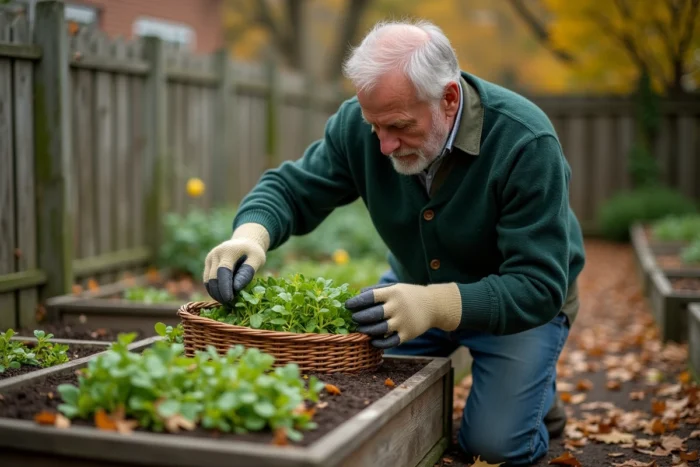
Have you harvested more purslane than you can consume or freeze? Instead of composting it all, spread the uprooted plants directly on your empty garden beds.
Purslane, with its fleshy, water-filled stems, decomposes quickly when in contact with the soil. As it breaks down, it returns nutrients and maintains a cover that limits erosion from autumn rains. This practice is particularly useful on beds that will remain bare during winter or that will receive autumn crops like lamb’s lettuce or spinach.
Purslane as mulch enriches the soil instead of ending up in the compost. It’s a quick action that transforms an end-of-season “waste” into a resource for the next bed.
Jar preservation: what to check
Preserving in sterilized jars works for purslane, but requires more rigor than freezing. The very tender leaves do not withstand prolonged sterilization well and can become mushy.
- Wash and dry the leaves before placing them in clean jars with airtight lids.
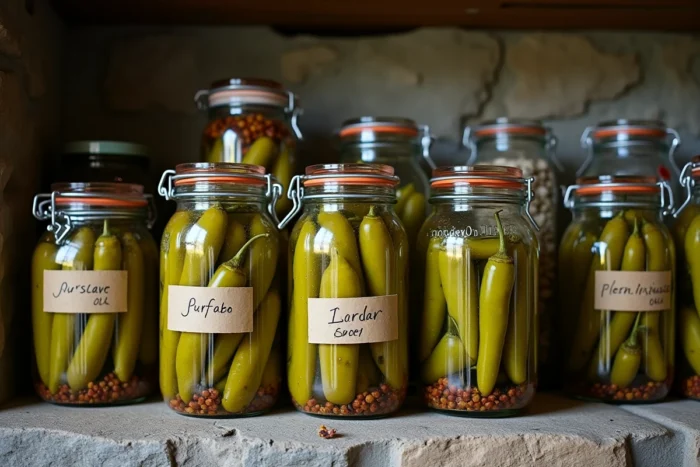
- Cover with vinegar or a light brine rather than pure water, which stabilizes preservation better and limits bacterial growth.
- Sterilize the jars according to the time suitable for leafy vegetables. A duration that is too long alters the texture to the point that purslane becomes difficult to use in salads.
Purslane preserved in jars with vinegar can be used like capers or pickles: as a condiment, in a vinaigrette, or to enhance a fish dish. The plant’s natural tangy flavor pairs well with this type of preparation.
Between freezing in cubes, harvesting seeds, and mulching empty beds, every part of purslane finds a use beyond the summer season. The most underestimated precaution remains managing nitrates after cooking, which deserves to be kept in mind for every winter preparation.