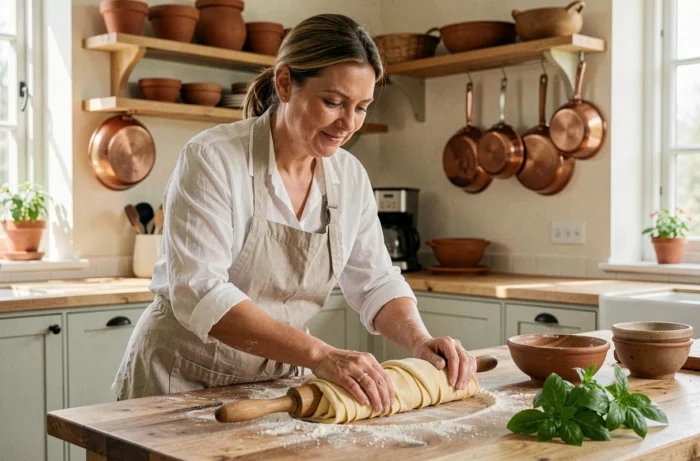
Today, large online recipe databases exceed several tens of thousands of references. In the face of this mass, finding a reliable recipe that suits what you have in the fridge and aligns with your dietary desires can sometimes feel like an obstacle course. The topic touches on managing leftovers, reading labels, and the ability to transform everyday ingredients into substantial dishes.
Cooking Leftovers and Peels: The Anti-Waste Angle That Changes Practice
Most recipe sites offer dishes made from specially purchased ingredients. The problem is that the majority of everyday meals are built with what lingers in the refrigerator. Greens, stems, pods, and peels become full-fledged ingredients in an anti-waste approach that goes beyond mere ecological gestures.
Carrot or radish greens can be transformed into pesto or soup. Potato peels, once rinsed and seasoned, go into the oven to become chips. Broccoli stems, often thrown away, have a texture similar to kohlrabi hearts once peeled and sautéed.
This logic fits well into a weekly batch cooking format. Preparing meals in a single session allows you to spread the surplus summer vegetables (tomatoes, zucchinis, eggplants) over several days, varying cooking methods. You can find this type of organized approach on TwimmCook’s cooking page, which gathers ideas for everyday dishes.
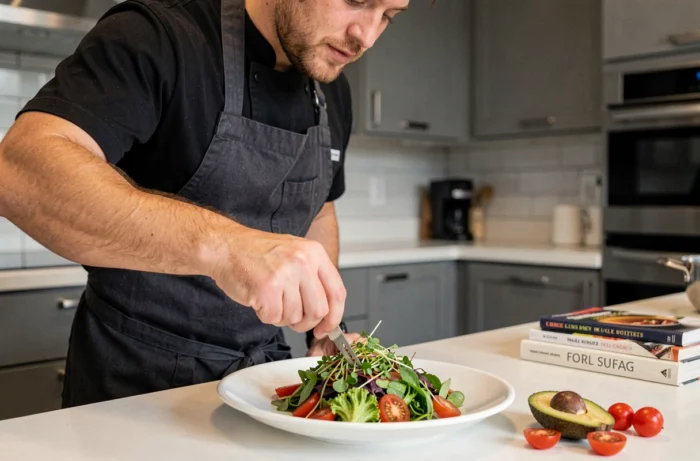
A simple chart helps plan the reuse of leftovers:
| Leftover or Surplus | Possible Transformation | Storage Duration Before Use |
|---|---|---|
| Vegetable Greens | Pesto, soup, quiche filling | Two days in the refrigerator |
| Stale Bread | Breadcrumbs, French toast, croutons | Several days at room temperature |
| Overripe Tomatoes | Puree, sauce, gazpacho | One to two days in the refrigerator |
| Egg Whites or Yolks | Meringue, custard, mayonnaise | One day in the refrigerator |
Vegetarian and Vegan Recipes: Beyond Simple Meat Substitution
Replacing meat with tofu in a dish designed for meat rarely yields a satisfying result. Successful vegetarian and vegan recipes start from a different logic: they rely on combinations of textures and flavors unique to legumes, grains, and vegetables.
A red lentil dhal is not a substitute for stew. It is a dish in its own right, with its own culinary history and balance. Plant proteins require specific seasonings and cooking methods to release their flavor qualities.
Here are some concrete guidelines for successful vegan dishes:
- Legumes (chickpeas, lentils, beans) benefit from being cooked with dry roasted spices before adding liquid, which develops deeper aromas.
- Whole grains (quinoa, bulgur, brown rice) serve as a neutral base that can be directed towards Mediterranean, Asian, or North African flavors depending on the condiments.
- Vegetables roasted at high temperatures (cauliflower, sweet potato, beet) develop a caramelization that adds body to the dish, compensating for the absence of animal fats.
The success of a vegan dish relies on mastering textures, not on replicating a meaty taste. A chickpea curry with coconut milk, turmeric, and fresh ginger offers a richness of flavor that owes nothing to meat.
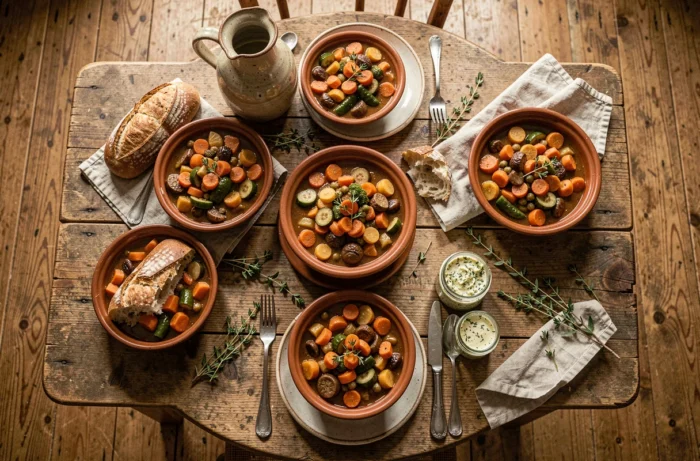
Nutri-Score and Labeling: What It Changes for Home Cooking
The Nutri-Score remains a voluntary system in France. Its calculation method was recently revised, with a transition phase for brands already engaged. For those cooking at home, this information has an indirect but real impact: it changes the perception of processed products used as ingredients.
The Nutri-Score evaluates a finished product, not a raw ingredient. Grated cheese rated D or E is not a bad ingredient if used in reasonable quantities in a homemade vegetable gratin. In contrast, a prepared dish rated A may contain additives that one would gladly avoid when cooking for oneself.
The national nutrition and health program (PNNS) in its 2026-2030 version plans to experiment with the voluntary extension of the Nutri-Score to non-prepackaged goods and out-of-home catering. If this experiment materializes, canteens and collective restaurants will have to display a nutritional score on their dishes. For the home cook, this means that nutritional guidelines will gradually extend beyond packaged products.
Reading a label before cooking does not replace common sense, but it allows for making choices between two competing products at the supermarket. A tomato concentrate without added sugar, a low-salt bouillon cube: these micro-decisions accumulate and influence the overall nutritional quality of homemade meals.
Salads and Summer Dishes: Balance Between Freshness and Satiety
Summer salads often suffer from the same flaw: they do not satisfy. A bowl of green leaves with a vinaigrette does not constitute a meal, even with cherry tomatoes as a garnish.
For a salad to work as a main dish, it needs three components: a base of grains or legumes for satiety, raw or grilled vegetables for volume and freshness, and a source of protein (egg, cheese, fish, legumes). A balanced meal salad combines at least three food groups.
Vinaigrettes also deserve special attention. A well-emulsified dressing (olive oil, lemon juice, mustard, salt) adds roundness and binds the ingredients together. Fresh herbs (basil, cilantro, mint) added at the last moment transform a decent dish into a memorable one.
Cooking summer vegetables on a plancha or grill adds a smoky dimension that is often lacking in composed salads. Grilled zucchinis, peppers, and eggplants, cooled and then mixed with bulgur and chickpeas, create a complete meal that transports easily.
The most sustainable summer recipes in the family repertoire are those that tolerate substitutions. No feta on hand: fresh goat cheese will do. No mint left: flat-leaf parsley works. The flexibility of a recipe matters as much as its ingredient list, especially when cooking several times a week for a family.