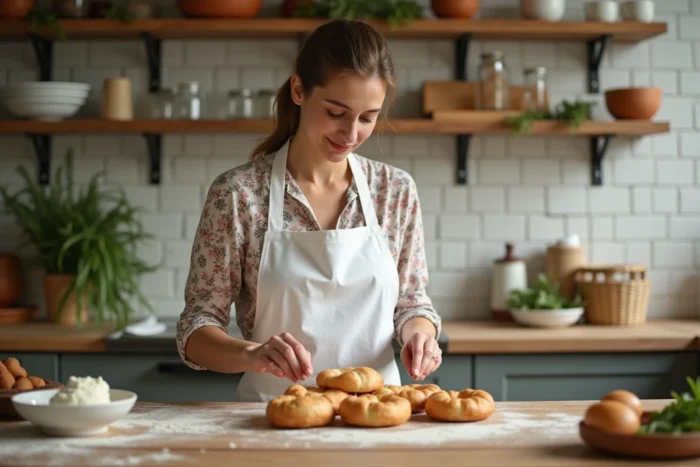
The convergence between cuisine and beauty in a single entrepreneurial project is based on real market dynamics: formulation of ingredients, building a personal brand, hybrid business models between editorial content and commerce. Fourchette et Mascara is situated at this intersection, offering a space that blends culinary entrepreneurship with the beauty universe.
Culinary and Cosmetic Sectors: Intersecting Value Chains
The link between food and beauty is not limited to visual trends like “food makeup” on social media. There is a more structural convergence related to ingredients and manufacturing processes.
On the cosmetic side, standards like COSMOS govern the certification of natural and organic products. Formulations incorporate food-derived actives (vegetable oils, fruit extracts, butters). On the food side, regulatory constraints on packaging push brands to rethink their positioning, including their visual identity and marketing discourse.
This proximity creates profiles of entrepreneurs who navigate between the two sectors, sometimes simultaneously. A creator of artisanal cosmetics may share a lab with a chocolate artisan. A culinary blogger may test and document treatments made from kitchen ingredients. To discover the universe of Fourchette et Mascara, one must accept this permeability between the plate and the beauty kit as a legitimate entrepreneurial exploration ground.
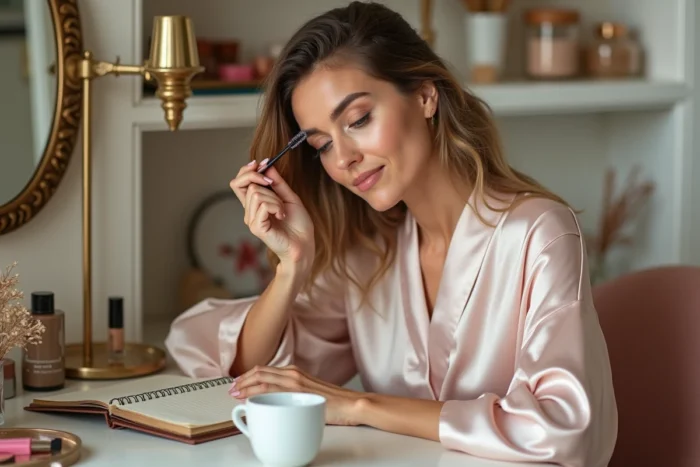
Culinary Entrepreneurship: Business Models Beyond Restaurants
Traditional catering is no longer the only outlet for a culinary project. Structures like Meet My Mama, documented by Euronews in July 2026, support home cooks in achieving professional chef status through training, mentoring, and direct access to the catering market.
Gastronomy outside of restaurants is progressing through economic inclusion models. This type of platform transforms domestic know-how into a viable activity without going through the classic commercial lease and kitchen brigade model.
For food project holders, the design of the production space remains an underestimated point. Fabrice Breviglieri (Brémart) and Romain Amblard (Service Compris) emphasize that professional kitchens condition operational fluidity and project sustainability. A poorly planned layout generates time losses, fatigue, and increased turnover in teams.
Entrepreneurs who bridge culinary and beauty have an advantage here: they often think in terms of “laboratory” rather than “kitchen,” which leads them to immediately reason about flows, hygiene, and space modularity.
Pressure on Raw Materials: A Shared Challenge Between Food and Beauty
Both sectors face comparable tensions regarding supply. The high volatility of cocoa prices in recent years forces brands to rethink their recipes and premium positioning. This pressure does not only affect chocolatiers: it also impacts cosmetic manufacturers who use cocoa butter in their formulations.
The consequences for an entrepreneur straddling food and beauty are direct:
- An ingredient shared between the two ranges (coconut oil, shea butter, cocoa) sees its price fluctuate unpredictably, complicating price setting
- The traceability required by cosmetic certifications (COSMOS, for example) imposes standards that food sectors do not always apply, creating discrepancies in supplier management
- Food packaging must evolve under regulatory pressure, a movement that is also affecting the cosmetic sector with increasing demands for recyclability
An entrepreneur who masters these constraints in one sector has a real operational advantage when diversifying into the other.
Editorial Content and Personal Branding: The Economic Engine of These Hybrid Projects
Fourchette et Mascara illustrates a model where editorial content (recipes, product tests, feedback) forms the foundation of the activity. It is not a marketing accessory; it is the main product.
The blog or social account becomes the commercial showcase and monetization channel. Revenues can come from advertising, partnerships with brands, sales of merchandise, or consulting services.
The profitability of this type of hybrid project varies greatly depending on the profiles. Some culinary-beauty content creators make a living from their activity after several years of regular publication, while others struggle to move beyond the stage of monetized hobby.
What distinguishes viable projects, according to testimonials available on professional platforms:
- A clear specialization rather than a generalist positioning (for example, pastry and honey-based treatments, rather than “cuisine and beauty” in broad terms)
- A regularity of publication that builds a loyal audience over time
- A capacity to document the behind-the-scenes of the entrepreneurial project, not just the finished results
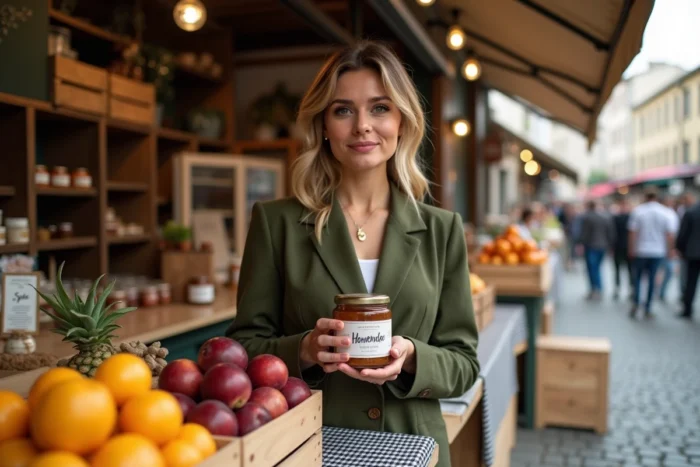
Food Inclusion and Clean Beauty: An Underexplored Convergence Area
Food discrimination is now treated as a standalone inclusion issue, no longer just from the perspective of waste or public health. Initiatives like Topinamour place inclusive food at the center of their approach.
The parallel with clean beauty is striking: in both cases, consumers demand transparency regarding the composition, origin, and impact of products. Applications like INCI Beauty allow users to decode cosmetic ingredient lists, just as the Nutri-Score attempts to do for food.
For an entrepreneur working on both fronts, this convergence offers a coherent positioning. Offering recipes suitable for food intolerances while recommending treatments formulated without common allergens meets a real demand from consumers who are mindful of what they ingest and apply to their skin.
The space occupied by Fourchette et Mascara is precisely there: at the junction between the demand for food transparency and the demand for cosmetic traceability. Whether this intersection becomes a structured market segment or remains an editorial niche will largely depend on the ability of entrepreneurs to professionalize their practices in both sectors simultaneously.